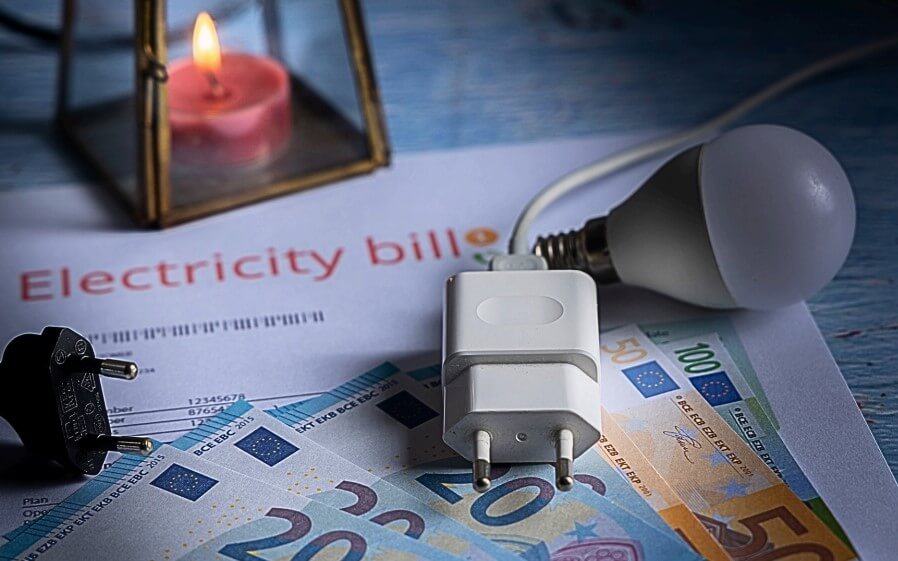
Our new collaborative report examines seven national contexts and how structural challenges and policy choices create artificial barriers that further undermine electricity competitiveness. This report comes as the Commission is about to adopt its Electrification Action Plan and a legal proposal addressing network charges and electricity taxation.
“Lowering electricity prices is like removing the handbrake from Europe’s energy transition. Governments already have the tools to do it: the two most effective are accelerating renewable energy and reforming electricity taxes and levies. Affordable electricity makes electrification the preferred alternative to fossil fuels while strengthening Europe’s competitiveness, energy security and climate action,” emphasises Christophe Jost, Energy Policy Coordinator at CAN Europe.
Electrification will only succeed if electricity is competitive with fossil fuels. Yet in many European countries, high taxes and levies, rising system costs and fossil-driven wholesale prices keep electricity unnecessarily expensive, slowing the uptake of clean technologies. Lowering electricity prices is therefore essential to accelerate electrification and deliver Europe’s climate goals, but also to ensure a fair transition by addressing the cost of living crisis and enhancing citizens’ trust in the transition.
This is why policymakers must act now to make electricity more affordable in order to unlock electrification and foster social acceptance for the energy transition.
To identify effective solutions, CAN Europe, its members and partners analysed the national contexts of seven European countries: Poland, Greece, Spain, Ireland, Italy, Czechia and Germany, highlighting practical measures and best practices to lower electricity prices, together with recommendations for policymakers.
See Full Report